$43,000 Knoxville Home With 2 Bedrooms, Basement and Large Residential Lot
$43,000 Knoxville Iowa Fixer-Upper With 2 Bedrooms, Newer Furnace and 7,840 Sq Ft Lot
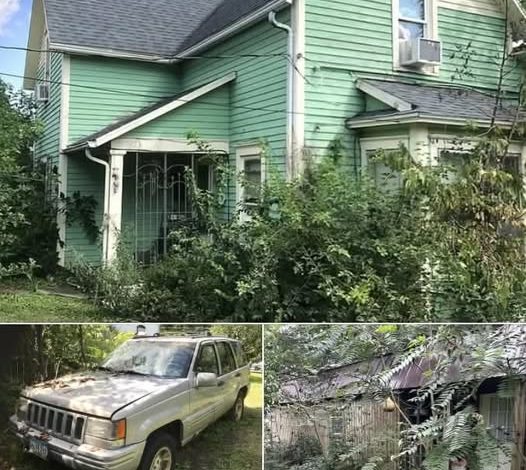
An affordable Iowa fixer-upper with a low acquisition price and several practical features is attracting attention in Knoxville. Located at 812 E Washington St, Knoxville, IA 50138, the property is listed for $43,000 and offers approximately 1,269 square feet of living space, two bedrooms, one full bathroom, an unfinished basement, public water and sewer, and a 7,840-square-foot lot.
Built in 1915, the one-and-a-half-story home offers the character of an older Midwestern residence while also providing several features that could be useful to a future owner or investor. The property has a reportedly newer furnace, natural-gas forced-air heating, window air-conditioning units, and several appliances that are included with the sale.
The property is being sold “as is, where is,” with all contents included. The sellers will not remove the remaining contents, making cleanup and disposal another consideration for anyone planning to renovate the home.
At approximately $34 per square foot, the asking price is relatively low. However, the purchase price is only one part of the equation. The property’s age, condition, roof, electrical system, plumbing, windows, foundation, basement, siding, and remaining contents all need to be evaluated before a buyer can determine the true cost of the project.
Property Overview
812 E Washington St is a one-and-a-half-story single-family residence built in 1915.
The home contains approximately 1,269 square feet of living space, with two bedrooms and one full bathroom. Both bedrooms and the bathroom are located on the second level according to the listing information.
The property sits on approximately 7,840 square feet of land, with reported dimensions of about 61.4 feet by 130 feet.
The exterior is wood siding, the foundation is block, and the roof is asphalt/shingle.
The property is connected to public water and public sewer, has an unfinished basement, and has no HOA listed.
A $43,000 Asking Price
The $43,000 asking price places the home firmly in the affordable fixer-upper category.
For investors and renovation buyers, the low acquisition cost could create room in the overall budget for improvements.
But a low purchase price does not automatically mean a low-cost project.
A buyer should consider:
Purchase Price + Closing Costs + Inspections + Cleanup + Repairs + Mechanical Work + Renovation + Insurance + Taxes + Utilities + Holding Costs + Contingency = Total Investment
That final number is what should be compared with potential resale value or rental income.
Approximately $34 Per Square Foot
At approximately 1,269 square feet, the $43,000 asking price works out to roughly $34 per square foot.
That is an attractive starting figure, but it needs to be viewed in context.
A renovated property selling for a higher price per square foot may already include a new roof, updated electrical system, modern plumbing, finished flooring, renovated kitchen and bathroom, updated windows, and reliable heating and cooling.
This property still requires investigation and potentially significant work.
The eventual all-in cost per square foot could therefore be much higher than the initial $34 figure.
1,269 Square Feet With Two Bedrooms
The home provides approximately 1,269 square feet of living space.
For a two-bedroom property, that offers a reasonable amount of interior space.
The one-and-a-half-story layout places the bedrooms and bathroom upstairs while leaving the main level available for living areas, kitchen space, dining, and other uses.
A buyer should inspect the actual floor plan and determine whether the existing layout works for the intended use or whether modifications would be financially worthwhile.
Two Upstairs Bedrooms
Both bedrooms are located on the second level.
The two-bedroom configuration could appeal to a small household, owner-occupant, or rental tenant.
The second bedroom could also function as an office, guest room, hobby room, or additional living space depending on the buyer’s needs.
Each room should be evaluated for flooring, windows, electrical outlets, heating distribution, insulation, ceiling condition, and evidence of moisture or water damage.
One Full Bathroom
The home has one full bathroom, also located upstairs.
A single bathroom is common in older two-bedroom homes.
The existing bathroom should be inspected carefully for plumbing, drainage, fixtures, flooring, ventilation, and signs of previous water damage.
A future owner could potentially investigate whether adding another bathroom makes sense, but that would depend on the home’s structure, available space, plumbing configuration, local regulations, and renovation costs.
Built in 1915
The property’s 1915 construction date is an important part of the story.
More than a century old, the home may contain original construction features as well as improvements made during different periods.
Age itself does not establish condition.
The more important question is which major components have been updated and which remain older.
Buyers should investigate the roof, foundation, electrical system, plumbing, windows, insulation, siding, basement, and structural framing.
Newer Furnace
One of the more useful features is the reportedly newer furnace.
Reliable heating is especially important in Iowa, and replacing a furnace can represent a meaningful expense.
The exact age of the furnace is not provided, so buyers should request its installation date, model information, maintenance records, and warranty information if available.
An HVAC professional can also verify that the furnace is operating correctly and that the ductwork is in acceptable condition.
Natural-Gas Forced-Air Heating
The home uses forced-air natural-gas heating.
This type of system can provide whole-house heating through a ductwork network.
The furnace itself should be inspected along with the ducts, thermostat, ventilation, and related components.
If the future owner wants to add central air conditioning, an HVAC contractor could determine whether the existing forced-air infrastructure could accommodate a suitable system.
Window Air Conditioning
Cooling is currently provided by window air-conditioning units.
For a relatively compact 1,269-square-foot home, window units can be a straightforward cooling solution.
An investor may decide that replacing them with central air is unnecessary, particularly if comparable rental properties in the area commonly use window units.
Alternatively, a future owner may prefer a more comprehensive HVAC upgrade.
That decision should be based on cost and local buyer or tenant expectations.
Unfinished Basement
The property includes an unfinished basement.
This provides storage and access to mechanical systems but should not automatically be considered finished living space.
Older basements should be checked for moisture, water intrusion, foundation movement, drainage problems, pests, and deterioration.
The basement can also be useful during renovation because exposed mechanical systems may be easier to inspect and upgrade.
Block Foundation
The home’s foundation is identified as block construction.
Foundation condition deserves careful attention in a 1915 property.
Inspectors should look for cracking, bowing, settlement, moisture intrusion, damaged blocks, previous repairs, and other signs of movement.
Exterior grading and drainage should also be evaluated because water accumulating around the foundation can contribute to basement problems.
Wood Siding
The exterior has wood siding.
Wood siding can provide traditional character, but it requires regular maintenance.
Buyers should inspect for rot, peeling paint, insect damage, cracked boards, gaps, and areas affected by moisture.
If the siding remains fundamentally sound, repair and repainting could improve the exterior without requiring complete replacement.
Asphalt Shingle Roof
The roof is identified as asphalt/shingle, but the listing does not provide its age.
Roof condition is therefore an important unknown.
A professional inspection should look at shingles, flashing, penetrations, gutters, drainage, and evidence of previous leaks.
If replacement is needed, that expense could significantly change the overall renovation budget.
Public Water and Sewer
The property benefits from public water and public sewer.
That removes the need for a private well and septic system.
However, public utilities do not guarantee that the home’s internal plumbing or sewer lateral is in good condition.
Buyers should inspect the water lines, drains, fixtures, water heater, and sewer connection.
For an older property, a sewer scope may be worth considering depending on inspection findings.
Appliances Included
Several appliances are reportedly included with the property, including a dryer, dishwasher, freezer, refrigerator, stove, and washer.
That could reduce the amount of equipment a future owner needs to purchase.
However, the listing does not establish the age or operating condition of each appliance.
Because the property is sold as-is with contents, buyers should inspect the appliances rather than assigning significant value to them before confirming they work.
Eat-In Kitchen
The home includes an eat-in kitchen.
This layout can work well in a smaller residence by combining food preparation and dining within the same area.
A renovation could potentially improve cabinets, countertops, flooring, lighting, appliances, plumbing fixtures, and electrical outlets.
Before spending money on finishes, buyers should verify that the underlying electrical and plumbing systems can support the intended improvements.
Carpet and Vinyl Flooring
The property contains a combination of carpet and vinyl flooring.
Flooring can be one of the easier cosmetic improvements in a renovation.
However, buyers should inspect the material underneath damaged areas.
Soft spots, stains, uneven sections, or moisture damage can indicate problems with the subfloor that need to be addressed before new flooring is installed.
Sold “As Is, Where Is”
The property is being sold “as is, where is.”
That means buyers should approach the transaction with the expectation that the seller is not planning to make repairs before closing.
The exact legal meaning depends on the purchase agreement, so buyers should carefully review the contract and understand their inspection rights.
Independent due diligence is particularly important with an older property sold in its existing condition.
All Contents Included
The listing states that all contents are included, and the sellers will not remove them.
This can be convenient if some furniture, appliances, or other items are useful to the buyer.
But it can also create additional work.
Unwanted belongings may need to be sorted, hauled away, donated, recycled, or disposed of.
Investors should inspect the contents before calculating cleanup costs.
Cleanup Could Affect the Budget
Cleanup is an easy expense to underestimate.
If the property contains a substantial amount of unwanted material, the buyer could need dumpsters, hauling services, labor, or specialized disposal.
The safest approach is to inspect the property and estimate the cleanup requirement before closing.
Any resale value from usable contents should be treated as a bonus rather than an assumption.
Cash Purchase
The supplied listing identifies the transaction as cash.
This can narrow the potential buyer pool and means investors need enough liquidity to cover both acquisition and rehabilitation.
A buyer should avoid committing every available dollar to the purchase itself.
Cash reserves may be needed immediately for cleanup, inspections, emergency repairs, utilities, insurance, and other project expenses.
Tax Assessed Value
The reported tax assessed value is approximately $106,150.
That is substantially higher than the $43,000 asking price.
However, the difference should not be interpreted as guaranteed equity.
Tax assessments are primarily used for taxation and do not necessarily represent current market value.
The property’s physical condition, renovation requirements, location, comparable sales, and buyer demand all influence its actual market value.
Annual Property Taxes
Annual property taxes are reported at approximately $1,932.
For an investor, that represents an ongoing carrying cost.
During a renovation, taxes continue even when the property is not producing rental income.
A landlord should also include them when calculating long-term operating expenses.
The buyer should verify the latest tax bill and whether any outstanding taxes or assessments exist.
No HOA
The property has no HOA listed.
That means there is no reported homeowners-association fee.
However, municipal rules, zoning regulations, building codes, property-maintenance requirements, and permit requirements still apply.
A buyer should confirm local requirements before adding structures, changing the layout, or making major exterior improvements.
7,840-Square-Foot Lot
The property sits on approximately 7,840 square feet of land, with dimensions of about 61.4 by 130 feet.
That is a manageable residential lot that provides outdoor space without the maintenance requirements of a large acreage property.
Potential improvements could include landscaping, gardening, fencing, or other residential uses subject to local regulations.
Drainage, grading, trees, and exterior maintenance should also be evaluated.
Investment Potential
The property is marketed as an investment opportunity.
Several strategies are possible.
A buyer could renovate and resell the property.
Another option would be to renovate it and retain it as a long-term rental.
An owner-occupant could also purchase the home with cash and gradually complete improvements.
The appropriate strategy depends on the buyer’s budget, experience, local market data, and intended holding period.
Fix-and-Flip Considerations
A potential flip should be evaluated using conservative numbers.
A basic calculation would be:
Realistic After-Repair Value – $43,000 Purchase Price – Closing Costs – Cleanup – Renovation – Insurance – Taxes – Utilities – Holding Costs – Selling Costs – Contingency = Potential Project Result
The after-repair value should be based on recently sold comparable properties rather than optimistic asking prices.
Contractor estimates should also be used whenever possible.
Rental Potential
The two-bedroom layout could be suitable for long-term rental use after renovation.
Public water and sewer simplify utility infrastructure, while the newer furnace and natural-gas heating could be practical features for tenants.
However, the listing does not provide a verified rental estimate.
Investors should research comparable two-bedroom rentals in Knoxville and consider actual market rents, vacancy, maintenance, insurance, taxes, management, and capital reserves.
Rental Cash Flow
A rental property’s financial performance depends on more than monthly rent.
A realistic calculation should account for:
Gross Rent – Vacancy – Taxes – Insurance – Maintenance – Management – Utilities – Capital Reserves = Operating Income
If financing is used, debt service would then be considered separately.
Because the property dates to 1915, maintaining an adequate reserve for future repairs is particularly important.
Insurance Considerations
Insurance should be researched before purchase.
Older properties can receive additional underwriting scrutiny based on roof age, electrical systems, plumbing, heating, foundation condition, and deferred maintenance.
The fact that the property is being sold as-is and is intended for a cash purchase should be disclosed accurately to potential insurers.
If the property will remain vacant during renovation, specialized coverage may be necessary.
Electrical Due Diligence
The listing provides limited information about the electrical system.
For a 1915 home, a qualified electrician should inspect the panel, service capacity, wiring, grounding, outlets, switches, and safety devices.
The electrical system should also be capable of supporting the home’s appliances and any future upgrades.
Electrical work is generally best completed before walls and ceilings are refinished.
Plumbing Due Diligence
The plumbing system should receive similar attention.
Buyers should evaluate supply lines, drainage, fixtures, water pressure, water heater, leaks, and sewer connections.
Older homes can contain multiple generations of plumbing materials.
Knowing which sections have already been updated can make renovation planning more accurate.
Windows and Insulation
The supplied listing does not provide detailed information about the windows or insulation.
Both should be evaluated.
Drafty or deteriorated windows can increase heating costs, while inadequate attic or wall insulation can make the home less comfortable and more expensive to operate.
Repairs may be more economical than replacement in some areas.
The appropriate strategy should be determined after inspection.
Renovation Priorities
A sensible renovation should begin with the home’s fundamental systems.
The first priorities should include the structure, roof, foundation, drainage, electrical system, plumbing, heating, and water management.
After those areas are secure, the project can move toward windows, insulation, kitchen improvements, bathroom updates, flooring, paint, lighting, siding, and landscaping.
This order reduces the possibility of damaging newly completed cosmetic work during later repairs.
Older Building Materials
Because the home was built in 1915, buyers should consider the possibility of older building materials.
Depending on previous renovations, lead-based paint or asbestos-containing materials may be present.
Their presence cannot be determined simply by the construction date.
Appropriate testing may be advisable before major demolition or renovation begins.
Building a Complete Budget
A realistic renovation budget should include the $43,000 purchase price, closing expenses, inspections, cleanup, disposal of contents, roof work, foundation repairs if needed, siding, electrical, plumbing, sewer, furnace/HVAC, windows, insulation, kitchen, bathroom, flooring, painting, basement work, landscaping, permits, insurance, taxes, utilities, and contingency.
Not every category will necessarily require significant spending.
Professional inspection and contractor estimates should determine the actual priorities.
Contingency Is Essential
Older houses can produce unexpected expenses.
A flooring project may uncover damaged subflooring.
A wall opening may reveal outdated wiring.
Exterior repairs can expose hidden moisture damage.
Basement inspection may reveal foundation or drainage concerns.
A contingency reserve protects the project from those surprises.
The $43,000 purchase price should therefore not be the full amount of cash the buyer has available.
Online Activity
The supplied listing data shows approximately 51 Zillow views and no saves at the reported snapshot.
Because the property had only recently been listed at that point, these figures provide limited information about overall market demand.
Online activity can change quickly.
Views and saves should be treated as engagement information rather than evidence of market value or investment performance.
What Buyers Should Verify
Before purchasing, a buyer should determine:
- The exact condition and age of the furnace
- Roof age and remaining life
- Foundation condition
- Electrical service and wiring
- Plumbing and sewer condition
- Water heater condition
- Window condition
- Amount and type of contents remaining
- Appliance operating condition
- Insurance availability
- Current property taxes
- Any outstanding assessments
- Local renovation and permit requirements
- Comparable sales in Knoxville
- Comparable rental properties and achievable rents
These details will provide a much clearer picture of the property’s true cost.
Final Thoughts
812 E Washington St in Knoxville, Iowa, is an affordable fixer-upper with a $43,000 asking price, approximately 1,269 square feet, two bedrooms, one full bathroom, an unfinished basement, public water and sewer, natural-gas forced-air heating, window air conditioning, and a 7,840-square-foot lot.
Built in 1915, the property has the age and character of a traditional Midwestern home while also offering some practical features that could appeal to an investor.
The reportedly newer furnace is an important positive feature, particularly given Iowa’s climate.
The public water and sewer connections also simplify ownership compared with properties relying on private well and septic systems.
At approximately $34 per square foot, the acquisition price is relatively low.
But the property is being sold “as is, where is,” with all contents included, and the sellers will not remove those contents.
That means a buyer should be prepared for cleanup as well as renovation.
The condition of the roof, electrical system, plumbing, windows, foundation, siding, basement, and other components should be established before purchase.
The reported $106,150 tax assessed value is significantly higher than the asking price, but that difference should not be interpreted as guaranteed equity or market value.
For an investor considering a flip, the most important factors will be realistic renovation costs and comparable resale values.
For a landlord, the two-bedroom layout, public utilities, natural-gas heating, and manageable lot could make the property worth evaluating as a rental, provided local rents support the numbers.
For an owner-occupant, the property could provide an opportunity to purchase an older home at a relatively low entry price and improve it over time.
Ultimately, 812 E Washington St should be evaluated as a renovation project rather than simply a $43,000 house.
The acquisition price creates an interesting starting point, but the real financial picture will only become clear after inspections, cleanup estimates, contractor pricing, insurance research, and local market analysis.
For a buyer with sufficient cash reserves and a realistic renovation plan, this 1915 Knoxville property could potentially be transformed into a comfortable two-bedroom residence and a useful long-term asset.


Listed on Zillow