
Southern Oregon Land for Sale: 60 Acres, Forest Cover, Spring and Two Parcels for Under $100K
60 Acres of Wooded Oregon Land Listed for $98,000 With a Natural Spring and Owner Financing
Finding a large tract of wooded land in Southern Oregon for under $100,000 can attract buyers looking for recreational acreage, a private retreat, or a potential future homestead. A property located along Moccasin Lane near Sprague River in Klamath County is listed for $98,000 and comprises approximately 60 acres across two adjoining parcels.
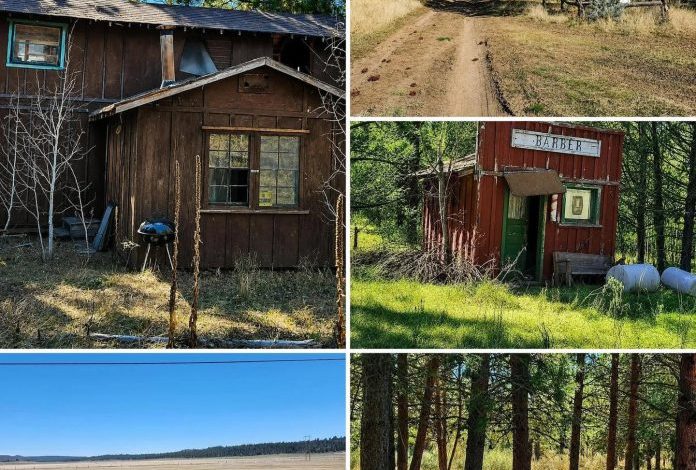
The property is described as heavily forested, with a natural spring, partial fencing, an older pump house, and a small existing structure. Owner financing is reportedly available, giving prospective buyers an alternative to a conventional land loan. However, the land is being sold as-is, the existing structures have no assigned value in the listing, and the property has no reported active grid electricity connection.
At the asking price, the combined acreage works out to approximately $1,633 per acre. While that calculation offers a straightforward way to compare the asking price with other land listings, the property’s actual value and development potential depend on factors such as legal access, water rights, zoning, title status, and the condition of the existing improvements.
Property Overview and Listing Details
The listing describes a 60-acre property consisting of two adjoining parcels, one containing approximately 40 acres and the other approximately 20 acres.
- Location: 0 Moccasin Lane, Sprague River, Oregon 97639
- County: Klamath County, Oregon
- Assessor’s parcel number provided: 35110190002700
- Total advertised acreage: Approximately 60 acres
- Asking price: $98,000
- Calculated price per acre: Approximately $1,633
- Parcel configuration: One 40-acre parcel and one 20-acre parcel, as described
- Zoning reported in the listing: Forest Range (FR)
- Natural features: A reported live spring and dense forest cover
- Existing improvements: Older pump house, small structure, and partial fencing
- Annual property taxes: Approximately $430, as reported
- Homeowners association: No HOA or monthly association fee reported
- Financing options advertised: Cash, conventional financing, trade, or owner financing
- Sale condition: As-is
- Listing date: September 2, 2026
The advertised price divided by 60 acres equals approximately $1,633 per acre. This is a mathematical calculation based on the supplied figures, not a professional appraisal or evidence that the property is underpriced compared with recent sales.
Because the listing describes two tax parcels but provides one assessor’s parcel number, buyers should obtain the official parcel records and legal descriptions to confirm the configuration, ownership, acreage, and status of each lot.
A Natural Spring Is One of the Property’s Main Features
The reported natural spring is a notable feature of this property. A dependable water source can be important for rural land, particularly for buyers considering recreational use or a future off-grid project.
However, the presence of a spring does not automatically establish that its water is potable, available throughout the year, legally usable for domestic purposes, or sufficient to support a residence. Buyers should confirm the spring’s seasonal flow, water quality, reliability during dry periods, and any applicable water-rights requirements.
The listing also identifies an older pump house near the spring. This structure may provide information about the property’s historical water setup, but its current functionality has not been established. A qualified professional should inspect the building, pump equipment, pipes, electrical components, and any water-storage arrangements before a buyer assigns it practical or financial value.
If the spring is intended to supply a future cabin or residence, the buyer should determine what collection, treatment, storage, and distribution equipment would be required. A natural source that works for wildlife or limited seasonal use may not necessarily meet the needs of a permanent household.
The water feature could still be useful for recreational planning and wildlife habitat, provided its reliability and legal status are verified.
Dense Forest Cover and Southern Oregon Terrain
The property is described as having a dense native forest canopy, with the supplied listing identifying ponderosa pine and lodgepole pine as the principal tree types. Forest cover can offer privacy, shade, wind protection, and habitat for local wildlife.
The actual tree species, timber volume, forest health, fire history, and commercial timber value have not been independently confirmed. Buyers interested in harvesting timber should consult a qualified forester to evaluate the standing trees, potential management options, access for forestry equipment, and any relevant restrictions.
Wooded acreage may also appeal to outdoor enthusiasts interested in observing wildlife or establishing a seasonal recreational retreat. The listing mentions elk, mule deer, wild turkey, and other birds as wildlife associated with the area. The presence and frequency of these animals on the specific property should not be assumed without further investigation.
Dense forest also comes with practical considerations. Vegetation management, wildfire exposure, defensible space, and access for emergency vehicles can influence the cost and feasibility of building or maintaining a structure. Prospective buyers should assess the terrain, existing clearings, drainage, road conditions, and local fire-prevention requirements before planning improvements.
Existing Structures Are Being Sold As-Is
In addition to the pump house, the property reportedly includes a small older structure described as a dwelling. The listing assigns no value to the existing buildings and indicates that the property is being sold as-is.
That distinction is important. The presence of a structure does not establish that it is legally recognized as a residence, meets current building standards, or can be occupied safely. Buyers should not assume the small building can serve as a hunting cabin, storage shed, or temporary living space without inspecting it and checking applicable regulations.
A professional evaluation should cover the foundation, roof, framing, weatherproofing, signs of water intrusion, and any electrical or plumbing systems. Buyers should also request any available records concerning permits, prior occupancy, septic facilities, or other improvements.
If restoration is being considered, the cost should be compared with the expense of removing the existing structure and building something new. The pump house should receive a separate assessment because its usefulness will depend on the condition of both the building and any surviving water equipment.
The as-is sale condition also means buyers should carefully establish which repairs, cleanup, or other obligations they would assume after closing.
Off-Grid Potential and Infrastructure Requirements
The property is described as having no active grid electricity connection. For buyers seeking a self-sufficient recreational retreat, solar power or a generator may be options, but the required system will depend on intended use and expected energy consumption.
A basic seasonal camp has different power requirements from a full-time residence with refrigeration, water pumping, heating equipment, communications, and other household loads. Buyers should obtain realistic installation estimates rather than assume an off-grid system will necessarily be inexpensive.
Before installing solar panels or other equipment, prospective owners should also confirm local land-use requirements, building permits, fire-safety standards, and any restrictions associated with the property’s zoning.
Water and wastewater are separate issues. The reported spring should be evaluated for suitability as a water source, and a permanent residence may require an approved wastewater system. The listing indicates that a septic system would need to be installed, but buyers should confirm whether any existing system is present and whether the site can accommodate a permitted replacement or new installation.
A soil evaluation, required county approvals, and a qualified septic contractor can help establish feasibility and likely costs. The property’s topography, soil characteristics, groundwater conditions, and distance from the spring or other water features may affect where a system can be located.
Understanding Forest Range Zoning
The supplied listing identifies the property’s zoning as Forest Range, commonly abbreviated FR. Buyers should confirm the designation directly with Klamath County Planning and determine which uses are permitted on each parcel.
A zoning label alone does not establish that a permanent home, manufactured dwelling, off-grid cabin, campground, short-term rental, or other development will be approved. Oregon’s land-use rules and county requirements can be complex, particularly for rural forest and range properties.
Before making an offer, buyers should request written guidance about the specific use they intend to pursue. They should also ask about minimum parcel sizes, dwelling eligibility, access standards, setbacks, building permits, fire protection, and any requirements for water and wastewater infrastructure.
If the goal is to build a permanent residence, it is especially important to determine whether the proposed building site qualifies under applicable state and county rules. A parcel that is suitable for recreation or timber management may not automatically qualify for residential construction.
Two Parcels Could Offer Flexibility, but Verify Their Legal Status
The property is marketed as two adjoining parcels containing approximately 40 acres and 20 acres. That configuration could be useful to a buyer interested in holding the land together for recreation or exploring separate ownership strategies.
However, the existence of two tax lots does not automatically establish that both parcels can be developed independently, sold separately without additional approvals, or used for separate residences. Legal parcel status, zoning, access, minimum-lot standards, and other county requirements can affect what is possible.
Anyone considering purchasing the combined acreage and later selling one parcel should first consult the county planning department and a qualified real estate or land-use professional. They should also confirm that each parcel has legally adequate access and that any easements or shared infrastructure are properly documented.
The supplied parcel number should be reconciled with official county records to confirm the two-parcel arrangement. A title report and review of the recorded legal descriptions can help establish the ownership and legal status of each tract.
Owner Financing: An Option That Requires Careful Review
The listing reportedly offers owner financing alongside cash, conventional financing, and trade arrangements. Seller financing can give buyers another way to structure a land purchase, particularly when a property may not fit the requirements of a conventional mortgage lender.
However, the availability of owner financing does not mean that the terms are automatically favorable or that the transaction avoids underwriting, title, or legal requirements. The supplied information does not specify the required down payment, interest rate, loan term, payment schedule, balloon payment, or consequences of default.
Before signing an agreement, buyers should obtain the complete written financing terms and have them reviewed by a qualified real estate attorney or other appropriate professional. They should understand how title will be held, whether a deed of trust or other security instrument will be used, how payments will be applied, and what happens if either party fails to meet its obligations.
The listing also states that the seller acquired the property through a deed in lieu of foreclosure. That history does not, by itself, establish that title is defective, but it makes a careful title review particularly important.
A preliminary title report can help identify recorded liens, easements, ownership issues, taxes, and other encumbrances. Buyers should confirm that the seller has authority to convey the property and understand any unresolved matters before paying a deposit or entering into a financing agreement.
Potential Uses for the 60-Acre Property
Depending on verified access, zoning, water availability, and the condition of the existing improvements, several uses may be worth exploring.
A seasonal recreational retreat: The forested setting and existing structures could appeal to someone seeking a private place for outdoor activities. The cabin-like structure should be inspected and its legal occupancy status confirmed before relying on it for overnight stays.
An off-grid project: Buyers interested in independent power and water systems could investigate whether solar equipment, suitable water infrastructure, and an approved wastewater system can be installed. Feasibility will depend on the site and applicable regulations.
Forest management: The trees could be evaluated for a long-term forest-management plan. A professional forester can determine whether selective harvesting or other management work is appropriate and estimate any potential revenue, expenses, and environmental considerations.
Wildlife and outdoor recreation: The combination of forest cover and a reported spring may provide useful habitat for wildlife. Buyers should confirm hunting rules, access rights, seasonal restrictions, and any requirements that apply to recreational use.
Long-term land ownership: The two-parcel configuration may appeal to buyers seeking a larger rural holding. Any plan to divide, transfer, or resell one portion should be evaluated against county rules, title restrictions, access requirements, and the actual demand for comparable land.
These are potential strategies rather than guaranteed outcomes. Each depends on legal and physical conditions that should be verified before purchase.
Location Near Sprague River and Southern Oregon Recreation
The property is identified along Moccasin Lane near Sprague River in Klamath County. The supplied description estimates a drive of approximately 15 to 20 minutes to the Sprague River community area, 35 to 40 minutes to Chiloquin, and around 55 to 60 minutes to Klamath Falls.
It also estimates that Crater Lake National Park is roughly an hour and ten minutes away and that Upper Klamath Lake and Agency Lake are within approximately 45 minutes. These are listing-provided estimates, not independently verified travel times. Actual journeys will depend on the precise access point, route, road conditions, and season.
For buyers who enjoy outdoor recreation, the wider region offers opportunities for hiking, fishing, boating, wildlife observation, and other activities. However, proximity to a recreation destination does not mean the property provides direct access to it or that any particular activity is permitted on the land.
Because this is a rural property, buyers should also consider the practical distance to fuel, groceries, medical services, building supplies, and emergency assistance. These factors can influence the experience and ongoing cost of owning remote acreage.
Due Diligence Checklist Before Buying
The asking price may attract attention, but the following checks are important to establish the property’s true costs and limitations.
- Title and ownership: Obtain a preliminary title report, review the deed-in-lieu history, and confirm that the seller can convey clear and marketable title.
- Parcel records: Verify the official parcel numbers, legal descriptions, acreage, boundaries, and separate legal status of the 40-acre and 20-acre tracts.
- Legal access: Confirm recorded and insurable access from Moccasin Lane, including any necessary road easements and maintenance obligations.
- Spring and water rights: Investigate seasonal flow, water quality, reliability, legal water rights, and the feasibility of using the source for domestic purposes.
- Existing structures: Arrange inspections of the small building and pump house; verify permits, condition, and permitted use.
- Zoning and construction: Ask Klamath County whether the intended dwelling or recreational use is allowed and what approvals are required.
- Septic feasibility: Obtain the required soil evaluation and determine whether an approved wastewater system can be installed.
- Off-grid power: Price solar, battery storage, generators, and any other systems needed for the intended level of use.
- Forest and wildfire considerations: Assess tree conditions, fire exposure, defensible-space requirements, and potential forest-management costs.
- Owner financing: Review the complete proposed terms, including down payment, interest, repayment schedule, default provisions, and title arrangements.
- Annual ownership costs: Confirm current taxes and budget for insurance, access maintenance, forest management, repairs, and future infrastructure.
- Resale or parcel separation: Obtain professional guidance before assuming that either parcel can be sold, developed, or transferred independently.
Completing these checks can help buyers distinguish between the advertised price and the total financial commitment required to use the property as intended.
Final Thoughts
Listed for $98,000, this approximately 60-acre property near Sprague River offers a combination of forest cover, a reported natural spring, two adjoining parcels, partial fencing, and older structures. Its calculated asking price is approximately $1,633 per acre, and the reported owner-financing option may be of interest to buyers exploring alternatives to conventional land loans.
The property could warrant further consideration from people seeking recreational acreage, a possible off-grid project, or land for long-term ownership. However, the spring’s reliability and legal status, the condition of the existing structures, the absence of reported grid electricity, and the feasibility of septic installation are all important unknowns.
The two-parcel arrangement may offer flexibility, but separate development or resale should not be assumed without confirmation from Klamath County and a review of the official parcel records. Likewise, the deed-in-lieu acquisition history makes title review an essential part of the purchasing process.
For prospective buyers, the most useful next step is to establish legal access, confirm the parcel configuration, investigate the spring and zoning, and obtain the full owner-financing terms before deciding whether the property fits their budget and intended use.
Disclaimer: This article is based on the supplied listing information and is not an independent property inspection, appraisal, legal opinion, title determination, or guarantee of water availability, financing, or development rights. Buyers should verify material details with the seller, Klamath County, relevant state agencies, utility and water professionals, and qualified legal and real estate advisers before purchasing.


Please Note: This property is sold strictly in ‘as-is’ condition following a deed-in-lieu acquisition, with no monetary value assigned to existing structures. Buyers are advised to obtain a preliminary title report, conduct a boundary survey, and verify spring water rights and septic perc feasibility during due diligence
Listed on Zillow


