Castle-Inspired Elmira Residence with Character
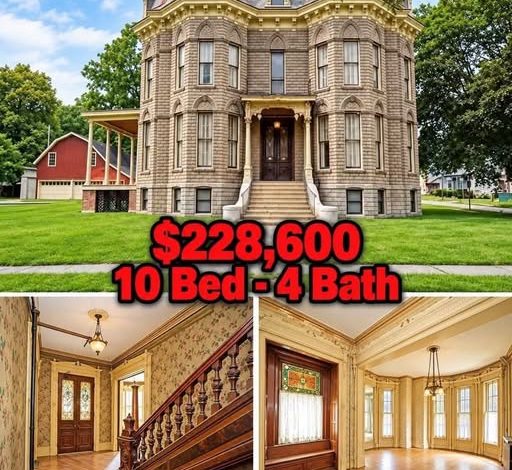
Some houses blend into the street. Others stop you on the sidewalk. This Elmira, New York residence belongs firmly in the second group. With a bold, castle-inspired exterior, dramatic architectural details and a presence that feels more like a neighborhood landmark than a typical single-family home, it is the kind of property people slow down to look at, photograph and talk about long after they have driven past.
In a housing market filled with look-alike builds and beige interiors, homes with genuine personality have become surprisingly rare. That is exactly why this one deserves a closer look. Whether you are an old-house lover, a restoration enthusiast, or someone who simply wants to live somewhere memorable, this property offers something you cannot order from a builder’s catalog: character.
A Striking First Impression
The first thing anyone notices is the exterior. The home carries a strong old-world look, with castle-like massing and detailing that gives it weight and drama. The design feels intentional, almost theatrical, in the best possible way. It is the sort of façade that suggests stories behind every window, and it gives the property an unmistakable identity on its block.
Architecture like this was built to impress. Homes of this style were often created during an era when craftsmanship mattered as much as square footage, when builders took pride in rooflines, masonry and trim that would still turn heads a century later. Even from the curb, you get the sense that this house was meant to be seen.
For buyers who appreciate design history, that curb appeal is more than decoration. It is a large part of the value. A distinctive exterior is almost impossible to recreate today without spending a small fortune, and it is exactly the kind of feature that makes a home stand out whenever it is photographed, shared or eventually resold.
Generous Space With Room for a Vision
Step inside and the home continues to offer something modern houses often lack: space. The floor plan is generous and flexible, which opens up a range of possibilities depending on how the next owner wants to live.
A family could spread out comfortably, with room for bedrooms, a formal dining area and private retreats. Buyers who host frequently could set aside dedicated guest quarters so visitors have their own space. Creative owners might see potential for an artist’s studio, a home office with real presence, a library or a music room. And for anyone who works from home, a house with this kind of layout makes it much easier to separate daily life from the workday.
The layout also leaves the door open to future renovation. With thoughtful updates, the interior could be brought up to modern comfort standards while preserving the details that make the home special. That balance between old-world character and present-day convenience is exactly what many restoration buyers are chasing.
Why Homes Like This Are So Hard to Find
Walk through almost any new subdivision and you will notice the same materials, the same floor plans and the same finishes repeated from one lot to the next. There is nothing wrong with that, but it rarely produces a house anyone would call memorable.
Older architectural homes are different. They were often designed one at a time, sometimes for a specific family, with details chosen to express taste and status. Many have since been demolished, divided into apartments or stripped of their original features. The ones that survive with their character intact are increasingly scarce, and buyers who want that kind of home often wait a long time for the right one to come along.
That scarcity is part of what makes a property like this appealing. It is not just a place to live. It is a piece of the community’s visual history, and the right owner has the chance to become its steward.
The Restoration Opportunity
This home will speak most loudly to buyers who can see beyond what it is today and imagine what it could become. With the right vision, it could be transformed into a beautiful private residence or turned into a showpiece restoration that honors its original design.
Restoration projects reward patience and planning. The most successful ones usually follow a similar path. Owners start by stabilizing the structure, then address the major systems, and only then move on to finishes and cosmetic work. Roofs, foundations, drainage, electrical, plumbing and heating come first, because beautiful interiors will not last long if water or aging wiring is working against them.
For a house with dramatic exterior features, masonry and roofline details deserve special attention. Parapets, towers, decorative stone or unusual roof shapes can require specialized contractors who understand historic materials. It is worth finding those professionals early, because the right craftsperson can preserve features that a general contractor might be tempted to replace.
Buyers should also think about energy efficiency. Older homes can often be made far more comfortable with careful insulation, updated heating systems, storm windows and air sealing, all without sacrificing their original character. In a region with real winters, those upgrades pay for themselves in comfort every single season.
Financing Options for a Home Like This
A distinctive property can sometimes raise questions about financing, especially if it needs work. The good news is that buyers have several paths to consider.
Conventional loans are the most common choice for buyers with solid credit and a reasonable down payment. They offer flexibility, but lenders will typically require the home to be in livable condition at closing. If significant repairs are needed, the appraisal and inspection will play a major role in whether a conventional loan works.
FHA loans allow lower down payments and more forgiving credit requirements, which makes them attractive to first-time buyers. However, FHA appraisals include minimum property standards, so issues such as peeling paint on older homes, roof problems or safety hazards may need to be corrected before closing.
The FHA 203(k) renovation loan is especially worth exploring for a project like this. It lets buyers roll the purchase price and the cost of approved repairs into a single mortgage, based on the expected value of the home after improvements. For someone who wants to buy a character home and restore it without juggling separate construction financing, this can be a powerful tool. Conventional renovation programs offer a similar structure for buyers who prefer that route.
VA loans are available to eligible veterans, active-duty service members and some surviving spouses. They can offer zero down payment and competitive rates, though the home must meet VA property requirements.
USDA loans are designed for eligible rural and some suburban areas. Properties inside city limits are often outside USDA-eligible zones, so buyers should check the official USDA eligibility map for the specific address before counting on this option.
Whatever the route, speaking with a lender who has experience with older and historic homes can save a lot of frustration. They will know which programs fit best and how appraisers in the area tend to value unique properties.
Insurance Considerations for Older Architectural Homes
Insuring a one-of-a-kind house is not always as simple as insuring a newer home. Buyers should begin gathering quotes early in the process, ideally before the inspection period ends.
One common issue is replacement cost. Rebuilding elaborate masonry, custom millwork or unusual rooflines can cost far more than the home’s market value. Some insurers offer policies tailored to older homes, while others may suggest a modified replacement cost approach. Understanding the difference matters, because it determines what would actually be covered after a major loss.
Insurers will also want to know about the age and condition of the roof, the electrical system, the plumbing and the heating source. Outdated wiring, especially older ungrounded systems, can make coverage harder to secure or more expensive until it is updated.
Flood risk is another point to check. Elmira sits along the Chemung River, and the city has a long memory of flooding, including the devastating Hurricane Agnes flood of 1972. Buyers should review FEMA flood maps for the exact address and ask whether flood insurance is required or recommended, even if the home is not directly beside the water.
Due Diligence Checklist Before Making an Offer
Falling in love with a house like this is easy. Buying it wisely takes a bit more discipline. Before committing, serious buyers should work through a thorough checklist.
- Hire a home inspector with experience in older and historic homes, not just general residential inspections.
- Have the roof evaluated by a roofer, especially if it includes towers, flat sections, parapets or slate.
- Ask a structural engineer to look at the foundation, masonry and any areas showing cracks or settling.
- Check the electrical panel, wiring type and capacity, and get estimates for any updates.
- Inspect the plumbing, including supply lines, drains and the main sewer line with a camera scope.
- Evaluate the heating system, its age and its fuel type, along with its expected annual operating cost.
- Test for lead paint and asbestos, which are common in homes built before the late 1970s.
- Review property tax history and ask about any assessments or municipal code issues.
- Confirm zoning if you plan to use the home for guest rentals, a studio, a business or multiple units.
- Find out whether the property sits within a local historic district and what review is required for exterior changes.
- Get contractor estimates for the most important repairs before finalizing your budget.
- Set aside a contingency fund of at least 15 to 20 percent above your renovation estimate, because older homes almost always have surprises.
This process may feel slow, but it protects buyers from the most expensive mistakes and helps them negotiate from a position of knowledge.
Life in Elmira
Elmira sits in New York’s Southern Tier, close to the Pennsylvania border and within easy reach of the Finger Lakes region. The city has a rich architectural heritage, and its older neighborhoods are known for mature trees, established streets and a wide range of historic homes. The Near Westside Historic District, for example, is widely recognized for its large collection of Victorian-era houses.
The city also carries a famous literary connection. Mark Twain spent many summers at Quarry Farm just outside town, where he worked on some of his best-known writing. His octagonal study now sits on the campus of Elmira College, and he is buried in Woodlawn Cemetery. For buyers drawn to history, that kind of heritage adds to the charm of living here.
Practical conveniences are close by as well. Corning, home of the Corning Museum of Glass, is a short drive west. Ithaca, Watkins Glen and the wineries of the Finger Lakes are within day-trip distance, and the Elmira Corning Regional Airport serves the area. Outdoor lovers can enjoy hiking, state parks, lakes and scenic drives through rolling countryside.
Compared with many larger metro areas, Elmira has historically offered relatively accessible home prices, which is one reason character homes here attract buyers from far outside the region. For someone who wants architectural presence and space without big-city price tags, the Southern Tier can be an appealing place to look.
Who This Home Is Perfect For
This property is not for everyone, and that is part of its appeal. It is best suited to buyers who value personality over uniformity and who see an older home as an opportunity rather than a burden.
It could be ideal for restoration enthusiasts looking for their next meaningful project, families who want room to grow in a home with real presence, creative professionals who need inspiring space, or buyers who have always dreamed of owning a house that feels like a local landmark. With the right plan and the right team, it could become one of the most admired homes in the neighborhood.
Final Thoughts
Homes with this much visual impact do not come along often. This castle-inspired Elmira residence combines dramatic architecture, generous space and an old-world atmosphere that is almost impossible to find in newer construction. It asks for vision and care, but it gives back something rare in return: a home with a true sense of identity.
For the buyer who appreciates charm, history and a house that makes a statement, this could be the opportunity worth waiting for.
Our website is designed for informational and entertainment purposes only. We are not a real estate brokerage or licensed contracting service. We operate solely as an independent blog, curating interesting houses, DIY guides, and practical home tips found across the internet. All decisions related to real estate transactions or home renovations should be made in consultation with licensed professionals. We do not guarantee the ongoing accuracy or availability of external property listings, as market statuses change rapidly. Please use our content at your own discretion.

Watch Via Zillow