39 Acres and a 1948 House for $129,900 in Clay, West Virginia
$129,900 West Virginia Property Offers a 2-Bedroom Home and Approximately 39 Acres
Finding a house with nearly 40 acres of land for less than $130,000 can attract buyers searching for rural property, recreational land, or a potential homestead. A listing at 225 Laxton Hollow Road in Clay, West Virginia, combines a modest two-bedroom house with approximately 39 acres of land and several features that may appeal to outdoor enthusiasts.
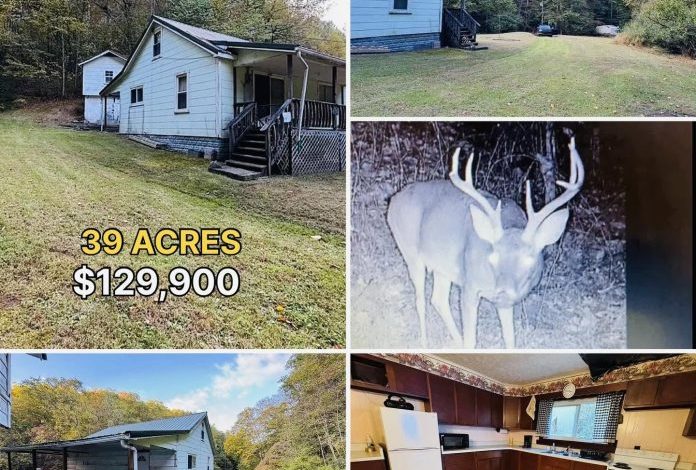
Listed for $129,900, the property is described as a hunting camp. The house dates to 1948 and offers approximately 924 square feet of living space, one full bathroom, public water, and a septic system. The land is promoted for its wildlife activity and potential recreational uses, including hiking and trail development.
However, the asking price tells only part of the story. The home’s age, the condition of its major systems, the terrain across the acreage, and its suitability for year-round occupancy all deserve careful consideration. Buyers should evaluate the property based on its current condition rather than assuming that the house is ready for immediate use.
Property Overview
- Asking price: $129,900
- Address: 225 Laxton Hollow Road, Clay, WV 25043
- County: Clay County, West Virginia
- Property type: Single-family residence, currently described as a hunting camp
- Bedrooms: 2
- Bathrooms: 1 full bathroom
- Living area: Approximately 924 square feet
- Land: Approximately 39 acres
- Year built: 1948
- Roof: Metal, according to the listing
- Water: Public water, as reported
- Sewer: Septic tank
- Heating: Wall furnace
- Cooling: Window air-conditioning units
- Additional features: Deck, porch, and storage structure
- HOA: None reported
- Annual property taxes: Approximately $509, according to the supplied listing information
Property details and listing status should be independently verified with the listing agent and relevant local authorities before making a purchase decision.
What Makes This West Virginia Property Interesting?
The main attraction is the combination of an existing residence and approximately 39 acres of land.
Many rural buyers consider properties with substantial acreage because they offer a different ownership experience from a typical residential lot. More land can provide room for outdoor recreation, greater separation from nearby homes, and opportunities to maintain trails or explore the surrounding landscape.
According to the listing, wildlife in the area includes deer, wild turkey, and black bear. The property is also promoted for activities such as hiking and ATV riding, although the suitability of the land for these activities depends on its terrain, access, and applicable rules.
The existing house may be an advantage for buyers who want a base for recreational visits rather than purchasing vacant land and beginning construction from scratch.
Public water is another reported feature worth investigating, particularly for buyers comparing this property with more remote parcels that rely on private wells or alternative water arrangements.
Nevertheless, 39 acres does not necessarily mean 39 acres of easily usable ground. Steep slopes, drainage conditions, vegetation, access routes, and property boundaries can all affect how much of the land is practical for a particular purpose.
Inside the 924-Square-Foot Home
The house was built in 1948 and reportedly includes two bedrooms, one full bathroom, an eat-in kitchen, and a living room.
The primary bedroom is located on the main level, while the second bedroom is upstairs. The kitchen reportedly includes an electric range and refrigerator, and the home has a combination of hardwood and vinyl flooring.
Other listed features include insulated windows, a wall furnace, window air-conditioning units, a deck, and a porch.
At approximately 924 square feet, the house has a relatively compact footprint. This could suit someone looking for a smaller rural residence or a simple base for hunting and weekend recreation. However, the home’s current use as a hunting camp means buyers should verify whether it meets their intended occupancy needs.
The listing information does not establish the overall structural condition or confirm that every major system is operating properly.
A qualified home inspector should evaluate the roof, foundation, framing, electrical wiring, plumbing, heating equipment, insulation, windows, and evidence of water intrusion. The inspection should also identify any safety concerns that need to be addressed before the house is occupied.
What Should Buyers Know About a House Built in 1948?
Older homes can offer affordability and established layouts, but they may also require repairs that are difficult to estimate from listing photographs.
For a house built in 1948, buyers should pay particular attention to the condition and age of its electrical and plumbing systems. Previous owners may have updated these components, but improvements should be confirmed through inspection and available records.
The listing identifies a metal roof. While metal roofing can have a long service life under appropriate conditions, the material alone does not establish the roof’s current condition. Buyers should determine when it was installed, whether it has been maintained, and whether there are signs of leaks or damage to the underlying structure.
The foundation, crawl space or basement, if present, should also be inspected for moisture, movement, inadequate drainage, and other potential problems.
Because the house predates 1978, renovation work may also require attention to potential lead-based paint hazards. Buyers should review applicable disclosure requirements and follow appropriate safety procedures before disturbing old paint.
The cost of repairs will depend on the findings. A professional inspection and written estimates from qualified contractors can help establish a more realistic total purchase budget.
Approximately 39 Acres for Hunting and Outdoor Recreation
The property’s acreage is likely to be one of its strongest attractions for buyers who enjoy outdoor activities.
The listing highlights deer, turkey, and black bear, making the property potentially interesting to people looking for a private hunting camp. The existing house could provide shelter and a place to store equipment, provided its condition and permitted use are suitable.
The land may also offer opportunities for hiking, wildlife observation, photography, and maintaining private trails. ATV use could be another possibility where the terrain and applicable rules permit it.
However, buyers should not assume that the entire parcel is accessible or suitable for trail development. Slopes, drainage, thick vegetation, and other physical characteristics can influence how the land can be used.
Before purchasing, prospective owners should review available parcel maps, confirm the property boundaries, and inspect the land where practical. A survey may be worthwhile if boundaries or access rights are uncertain.
Hunting activities must comply with applicable West Virginia licensing, season, and safety requirements. Buyers should also confirm the rules governing ATV use and any planned land improvements.
Reported wildlife activity may add recreational appeal, but it does not guarantee hunting success or create a reliable source of income.
Could the Property Work as a Rural Homestead?
The listing mentions the possibility of gardening, which may interest buyers who want to grow vegetables or spend more time outdoors.
The available acreage could provide room to explore small-scale gardening or other rural activities, but suitability depends on the property’s actual conditions. Soil quality, sunlight, drainage, slope, and access to usable ground all matter.
A large parcel can include areas that are too steep, shaded, wet, or otherwise unsuitable for cultivation.
Buyers considering livestock, fencing, additional buildings, or agricultural improvements should determine whether those activities are permitted and practical on this particular property. They should also investigate the water supply, site conditions, and costs associated with preparing and maintaining the land.
The existing house may offer a starting point for a rural lifestyle, but the feasibility of a homestead depends on more than acreage alone.
What Does the Asking Price Mean on a Per-Acre Basis?
At an asking price of $129,900 for approximately 39 acres, the property works out to about $3,331 per acre.
The calculation includes the house and other improvements, so it should not be interpreted as the market value of vacant land.
The asking price also works out to approximately $141 per square foot of reported living space. However, this figure may be less useful than acreage and condition when evaluating a property where a substantial portion of the appeal comes from the land.
To determine whether the price is competitive, buyers should compare recent sales of similar properties in Clay County and nearby areas. Useful comparisons would include acreage, terrain, road access, utility availability, building condition, and the amount of land that can practically be used.
A property with a well-maintained home and accessible acreage may warrant a different price from one requiring significant repairs or offering limited usable ground.
The price-per-acre calculation is a starting point for comparison, not an independent appraisal or proof that the property is a bargain.
A Reported $9,100 Price Reduction
According to the supplied listing history, the property was initially listed for $139,000 in October 2025. It reportedly entered pending-sale status in November 2025 before returning to the market in January 2026.
On April 14, 2026, the asking price was reduced to $129,900.
That represents a reduction of $9,100, or approximately 6.5%, from the earlier asking price.
The listing history may be useful to prospective buyers, particularly when preparing questions for the listing agent. However, a price reduction or previous pending transaction does not establish why the property remains available.
Transactions can fail for many reasons, including financing, inspections, appraisal differences, or changes in a buyer’s circumstances. The supplied information does not establish what occurred in this case.
Buyers should ask the listing agent to confirm the current status, whether any known property issues have been disclosed, and whether information is available about the previous pending transaction.
Public Water and Septic: What Needs to Be Checked?
The property reportedly has public water and a septic tank. If confirmed and functioning properly, these systems could be useful features for a rural residence.
Nevertheless, buyers should verify that the public water connection is active, determine whether there are any outstanding service issues, and confirm the condition of the plumbing inside the house.
The septic system requires a separate assessment. The presence of a tank does not establish that the entire wastewater system is operating correctly or meets current requirements.
A qualified septic professional should inspect the system, review available records, and identify any maintenance or replacement needs. Buyers should also confirm that the system is appropriate for the home’s intended occupancy.
Electrical service and the wall furnace should be inspected as well. The reported window air-conditioning units may provide cooling, but their condition and effectiveness should be checked.
Internet availability is another practical consideration for anyone planning to use the property as a primary residence or work remotely. Service should be confirmed at the specific address rather than assumed from general coverage maps.
Property Taxes and Ongoing Ownership Expenses
The supplied listing information reports annual property taxes of approximately $509. Historical figures provided for the property show the following amounts:
| Tax year | Reported property taxes |
|---|---|
| 2025 | $509 |
| 2024 | $485 |
| 2023 | $332 |
| 2022 | $323 |
The supplied information also includes an assessed value of $44,300, while the historical records show a different assessment figure for 2025. Buyers should confirm the applicable assessed and taxable values with the Clay County assessor.
Property taxes can change following a transfer of ownership or a future reassessment. The figures above should therefore be treated as historical information rather than a guarantee of a future tax bill.
Other ownership expenses could include homeowners insurance, heating, septic maintenance, repairs, vegetation management, trail upkeep, and maintaining access across the property.
For buyers planning to use the house primarily as a seasonal hunting camp, insurance requirements and coverage options may differ from those for a full-time residence. Prospective owners should obtain insurance quotes before closing and disclose the intended use of the property.
Land maintenance can also require more time and equipment than buyers initially expect, especially when access routes or trails need regular attention.
Financing a House With 39 Acres
Financing a rural property with substantial acreage can involve additional questions compared with purchasing a conventional suburban home.
Lenders may consider the house’s condition, year-round habitability, access, utility systems, acreage, and intended use when determining eligibility. The presence of a residence does not guarantee that a property will qualify for every conventional mortgage product.
If inspections identify substantial repairs, a buyer may need to investigate renovation financing or alternative lending arrangements. Availability and requirements vary by lender, loan program, and borrower.
Before making an offer, prospective buyers should speak with a lender experienced in rural residential properties. They should explain that the house was built in 1948, is described as a hunting camp, and sits on approximately 39 acres.
Buyers should also budget for inspection fees, closing costs, insurance, and any immediate repairs. Confirming financing early can help prevent problems later in the transaction.
Could the Existing House Be Replaced?
The listing reportedly mentions the possibility of removing the current house and constructing a replacement. For buyers more interested in the land than the existing structure, that possibility could be worth investigating.
However, the feasibility of demolition and new construction has not been independently established.
Before relying on this option, buyers should confirm zoning and building requirements, legal access, setbacks, septic approval, water service, and any applicable deed restrictions. They should also determine whether the intended building site has suitable terrain and drainage.
Demolition can introduce additional expenses for debris removal, site preparation, and the handling of potentially hazardous materials. Construction may require new utility connections or upgrades to existing infrastructure.
A new house should therefore be treated as a potential plan requiring professional and regulatory review, not as an approved or guaranteed development opportunity.
Potential Advantages and Important Drawbacks
Potential advantages
- Approximately 39 acres included with an existing two-bedroom house.
- Asking price below $130,000.
- Public water reported in the listing.
- Existing septic system, subject to inspection.
- Metal roof, porch, deck, and storage structure.
- Reported wildlife activity and recreational potential.
- Possible opportunities for gardening and trail development.
- No homeowners association reported.
Important considerations
- The house dates to 1948 and may require repairs or system upgrades.
- Its current description as a hunting camp raises questions about year-round suitability.
- The condition and capacity of the septic system have not been established.
- The amount of accessible, usable acreage is unclear.
- Financing and insurance may depend on the property’s condition and intended use.
- Replacement construction would require further investigation and approvals.
- The listing history includes a previous pending transaction and an asking-price reduction.
- Maintaining a large rural parcel may require ongoing time, equipment, and expense.
The importance of each point will depend on the buyer’s plans, financial resources, and willingness to take on maintenance or renovation work.
Questions to Ask Before Purchasing
Before making an offer, buyers should seek clear answers to several questions:
- Is the house currently safe and suitable for full-time occupancy?
- When were the roof, electrical wiring, plumbing, and heating system last inspected or updated?
- Has the septic system been professionally inspected recently?
- Is public water service active, and are there any known problems?
- How much of the 39 acres is accessible and practical for the intended use?
- Are there recorded easements, encroachments, or deed restrictions affecting the property?
- Which mineral and timber rights, if any, are included in the sale?
- Are there known drainage, flooding, slope-stability, or access concerns?
- Would the property qualify for the buyer’s preferred financing and insurance?
- What permits and approvals would be needed to renovate, expand, or replace the existing house?
Buyers should request available records and verify important answers with qualified professionals rather than relying solely on verbal statements or listing descriptions.
Final Thoughts: Is This $129,900 West Virginia Property Worth Considering?
The property at 225 Laxton Hollow Road offers a combination that may appeal to buyers seeking a modest house with substantial rural acreage. For an asking price of $129,900, the listing describes a two-bedroom, one-bathroom home with approximately 39 acres, reported public water, and potential for outdoor recreation.
The existing residence could make the property more practical than vacant land for someone looking for a hunting camp or rural retreat. The acreage may also offer opportunities for hiking, wildlife observation, gardening, and other activities, depending on the terrain and applicable rules.
However, the house’s age, the condition of its major systems, the septic system’s status, and the amount of usable land all need to be evaluated. The asking price and reported tax figures do not establish the property’s overall value or the future cost of ownership.
For buyers willing to conduct thorough inspections and verify access, utilities, financing, and permitted uses, the listing may be worth further investigation. Those seeking a move-in-ready home should first establish whether the property can meet their needs without substantial repairs.
Ultimately, the best way to assess this property is to look beyond the headline price and calculate the complete cost of purchasing, maintaining, and using the land and house. Independent inspections and careful due diligence will help determine whether it is a practical match for the buyer’s plans.
This article is based on the supplied listing information. The asking price, property details, condition, taxes, utility availability, access, and permitted uses should be independently verified with the listing agent, qualified professionals, and relevant authorities before purchase.


Property Listing Information
225 Laxton Hollow Rd, Clay, WV 25043