The Difference Between Green Onions, Scallions, Spring Onions, and Chives Explained
🌱 Green Onions, Scallions, Spring Onions & Chives: What’s the Difference?
At first glance, they all look like variations of the same green onion. They’re often used interchangeably in recipes, but each one has its own flavor, texture, and ideal purpose. Knowing which is which can make a real difference in how your dishes turn out.
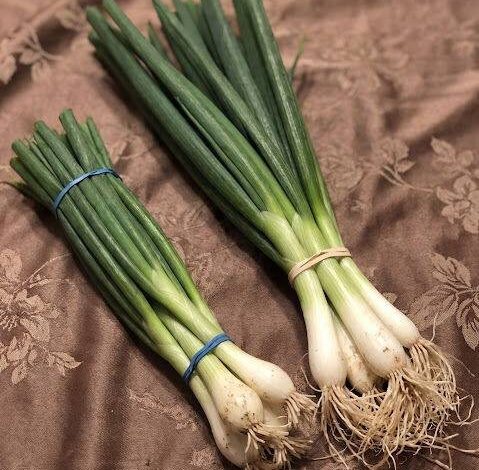
🟢 1. Green Onions = Scallions (Yes, They’re the Same!)
What they are: Young onions picked before a bulb has time to form.
Appearance:
- Slim white base with no bulb
- Long, hollow green stalks
Flavor: Light, fresh, and slightly sweet—much milder than standard onions.
Best uses:
- Raw: Salads, garnishes, salsas, baked potatoes
- Cooked: Stir-fries, eggs, soups (best added near the end)
Tip: Both the white and green parts are edible—the white is more pungent, the greens more delicate.
✅ Key takeaway: “Green onions” and “scallions” are simply two names for the same ingredient.
🌱 2. Spring Onions
What they are: A slightly more mature version of scallions with a small bulb.
Appearance:
- Small but visible bulb (about 1–2 inches wide)
- Thicker, longer green tops
Flavor: Sweeter and more robust than scallions, similar to mild red or yellow onions.
Best uses:
- Grill or roast whole
- Sauté the bulbs and use the greens as a garnish
- Common in Mediterranean, Middle Eastern, and Asian cooking
Tip: Use the bulb like an onion and the greens like scallions.
✅ Key takeaway: Spring onions have a bulb; scallions do not.
🌿 3. Chives
What they are: An herb related to onions, garlic, and leeks.
Appearance:
- Very thin, solid, grass-like stems
- No bulb or white base
Flavor: Soft, subtle onion flavor—much milder than onions or scallions.
Best uses:
- Always raw or added at the very end
- Garnish soups, dips, deviled eggs, and baked potatoes
- Snip with scissors to avoid bruising
Varieties:
- Common chives: Mild onion flavor
- Garlic chives: Flat leaves with a garlicky taste (popular in Asian cuisine)
✅ Key takeaway: Chives are a finishing herb, not meant for cooking.
🥣 Quick Comparison Guide
| Type | Bulb? | Hollow Stems? | Flavor Strength | Best Use |
|---|---|---|---|---|
| Scallions / Green Onions | No | Yes | Mild | Raw or lightly cooked |
| Spring Onions | Yes (small) | Yes | Medium-sweet | Grilled, roasted, sautéed |
| Chives | No | No (solid) | Very mild | Raw garnish only |
❤️ Helpful Cooking Tips
- Don’t replace scallions with chives in cooked dishes—they lose their flavor.
- Choose spring onions when you want a stronger onion presence.
- Store scallions upright in a jar of water to keep them crisp longer.
- Freeze chopped scallions for cooking (texture softens, flavor stays).
🌟 The Bottom Line
Even though they look similar, each has its own role:
- Scallions/green onions: Everyday, versatile staple
- Spring onions: Extra onion flavor with a tender bulb
- Chives: Light, fresh finishing touch—like edible green confetti
Good cooking isn’t about complicated ingredients—it’s about choosing the right one at the right moment. 🌱✨