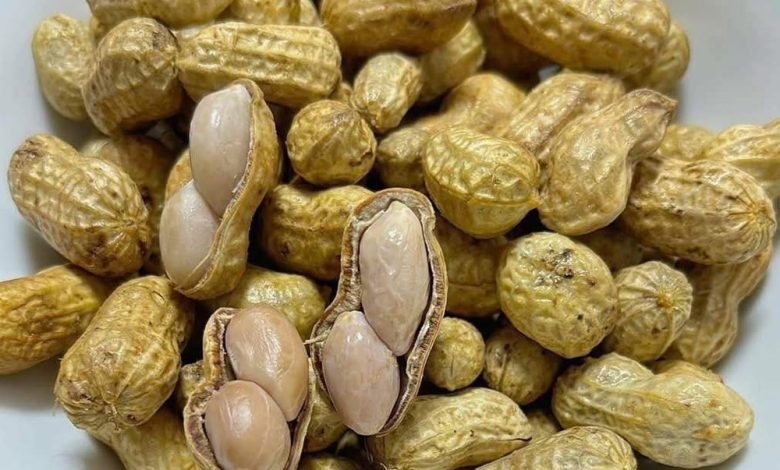
Doctors Reveal That Eating Peanuts Causes…see more
You’ve probably seen headlines like “Doctors reveal that eating peanuts causes…”—and let’s be honest, they’re designed to make you curious (and maybe a little worried).
So what’s the real story? Are peanuts harmful… or actually good for you?
Let’s break it down clearly, based on what health experts and research say—no hype, just facts you can use.
🧠 The Big Picture: Peanuts Are Mostly Good for You
Peanuts are often misunderstood. While they’re technically legumes (not tree nuts), they’re packed with nutrients and widely considered a healthy snack when eaten in moderation.
According to research in Nutrition, peanuts can support heart health, provide protein, and deliver essential vitamins and minerals.
But like any food, they’re not perfect for everyone.
Health Benefits of Eating Peanuts
💪 1. Rich in Protein and Healthy Fats
Peanuts are a great source of:
- Plant-based protein
- Healthy monounsaturated fats
These help keep you full longer and support overall energy levels.
❤️ 2. May Support Heart Health
Regular peanut consumption has been linked to:
- Lower “bad” cholesterol (LDL)
- Improved heart health
Thanks to their healthy fat profile and antioxidants.
⚡ 3. Packed with Nutrients
Peanuts contain:
- Vitamin E
- Magnesium
- Niacin
- Antioxidants
These nutrients support everything from brain function to skin health.
⚠️ Potential Risks You Should Know
While peanuts are healthy for many people, there are some important exceptions.
🚫 1. Peanut Allergies (Serious Risk)
Peanut allergies are one of the most common food allergies and can cause reactions ranging from mild to severe.
In extreme cases, exposure can lead to Anaphylaxis, which requires immediate medical attention.
⚖️ 2. High in Calories
Peanuts are nutrient-dense—but also calorie-dense.
Eating too many can:
- Lead to weight gain
- Add up quickly without you noticing
Portion control is key.
🧂 3. Added Salt and Processing
Many packaged peanuts come:
- Heavily salted
- Roasted in oils
- Flavored with additives
This can reduce their health benefits and increase sodium intake.
🦠 4. Risk of Contamination (Rare but Possible)
Improperly stored peanuts can sometimes contain toxins like aflatoxins (from mold), though food safety standards usually keep this risk low.
🤔 So… Do Peanuts “Cause” Anything?
Here’s the truth:
- ❌ They don’t “cause” disease for most people
- ⚠️ They can trigger allergic reactions in sensitive individuals
- ✅ They can support health when eaten in moderation
The viral claim is often exaggerated. The reality is much more balanced.
💡 How to Eat Peanuts the Healthy Way
Want to enjoy peanuts without the downsides? Here’s how:
- Choose unsalted or lightly salted varieties
- Stick to small portions (a handful)
- Avoid heavily processed versions
- Pair with a balanced diet
❓ Frequently Asked Questions
Are peanuts healthier than other snacks?
Yes—compared to chips or sugary snacks, peanuts are a much better option.
Can peanuts help with weight loss?
In moderation, yes. Their protein and fat can help keep you full.
Are peanut butters healthy?
Natural peanut butter (without added sugar or oils) is a great option.
Should everyone eat peanuts?
No—people with allergies should strictly avoid them.
❤️ Final Thoughts
Peanuts aren’t the villain some headlines make them out to be. In fact, for most people, they’re a nutritious, satisfying, and affordable snack that can be part of a healthy lifestyle.
The key is balance—knowing your body, watching portions, and choosing less processed options.
So next time you see a dramatic claim about peanuts, take a step back and look at the full picture. Your health deserves more than clickbait headlines.
And now I’m curious—do you prefer peanuts roasted, salted, or as peanut butter? 🥜✨