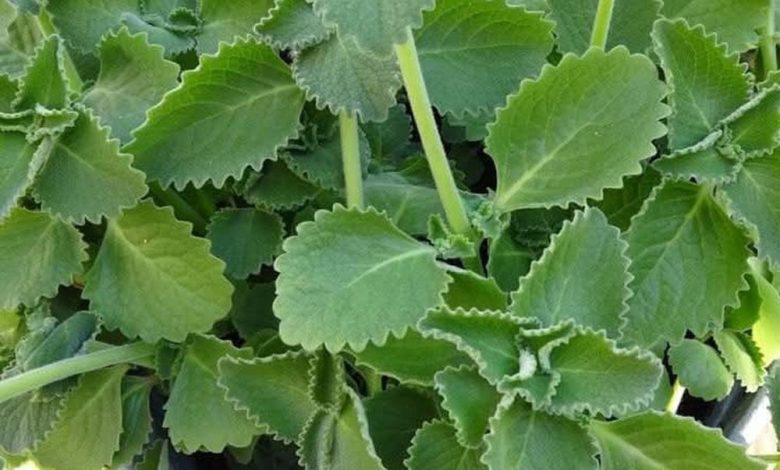
A Scientific Look at Oregano’s Role in Supporting Wellness
Often dismissed as just a pizza herb, oregano (Origanum vulgare) is one of nature’s most potent botanical allies. Used for centuries in Mediterranean and traditional medicine, modern science now confirms that this humble herb—especially in its fresh or oil form—offers impressive antioxidant, antimicrobial, and anti-inflammatory properties.
Let’s explore what research reveals about oregano’s role in wellness.
🌿 Key Bioactive Compounds in Oregano
Oregano’s power comes from two primary phenolic compounds:
- Carvacrol – The dominant compound (60–80% in some oils), known for:
- Strong antimicrobial effects against bacteria, fungi, and viruses
- Anti-inflammatory and analgesic (pain-relieving) activity
- Thymol – A synergistic compound that:
- Supports immune function
- Acts as a natural preservative due to antifungal properties
Together, they give oregano one of the highest antioxidant capacities among herbs—outperforming even blueberries and oranges by weight (ORAC score: ~15,000–20,000 μmol TE/100g).
🔬 Science-Backed Health Benefits
1. Potent Antimicrobial Activity
- Lab studies show oregano oil disrupts bacterial cell membranes, effectively inhibiting pathogens like E. coli, Salmonella, and Staphylococcus aureus (Journal of Applied Microbiology, 2001).
- Effective against Candida albicans (yeast) and foodborne molds.
⚠️ Note: Most evidence is in vitro (lab-based); human trials are limited.
2. Reduces Inflammation
- Carvacrol suppresses pro-inflammatory cytokines (like TNF-α and IL-6), potentially easing conditions like arthritis (Phytotherapy Research, 2013).
- Animal studies suggest it may protect against intestinal inflammation and colitis.
3. Antioxidant Protection
- Neutralizes free radicals linked to chronic disease, aging, and cellular damage.
- May support cardiovascular health by reducing oxidative stress in blood vessels.
4. Dgestive Support
- Traditionally used to ease bloating, gas, and indigestion.
- Carvacrol stimulates bile flow, aiding fat digestion.
5. Respiratory Relief
- Inhaling steam with oregano oil (diluted!) may loosen mucus and soothe coughs—thanks to thymol’s expectorant properties.
🍃 How to Use Oregano for Wellness
|
Form
|
Best For
|
Cautions
|
|---|---|---|
|
Fresh or dried culinary oregano
|
Daily cooking, antioxidant boost
|
Safe in food amounts
|
|
Oregano essential oil
|
Topical or aromatic use only
|
Never ingest undiluted—highly concentrated
|
|
Oregano oil capsules
|
Immune or gut support (short-term)
|
Consult a doctor; not for long-term use
|
✅ Safe culinary tip: Add fresh oregano at the end of cooking to preserve volatile oils. Dried oregano is more concentrated—use half the amount.
⚠️ Important Safety Notes
- Essential oil is NOT for internal use without professional guidance—it can irritate mucous membranes, cause liver strain, or interact with medications.
- Pregnant or breastfeeding women should avoid oregano oil supplements.
- Allergy risk: Those sensitive to mint, basil, or thyme may react to oregano (same plant family: Lamiaceae).
❤️ The Bottom Line
Oregano is far more than a seasoning—it’s a botanical powerhouse with legitimate scientific backing for its traditional uses. While it won’t replace medicine, incorporating culinary oregano regularly into your diet is a simple, flavorful way to boost antioxidant intake and support overall resilience.
“Let food be thy medicine”—and let oregano be part of that food.
So sprinkle it on roasted veggies, stir it into sauces, or steep it in herbal tea. Your body—and your taste buds—will thank you. 🌿✨