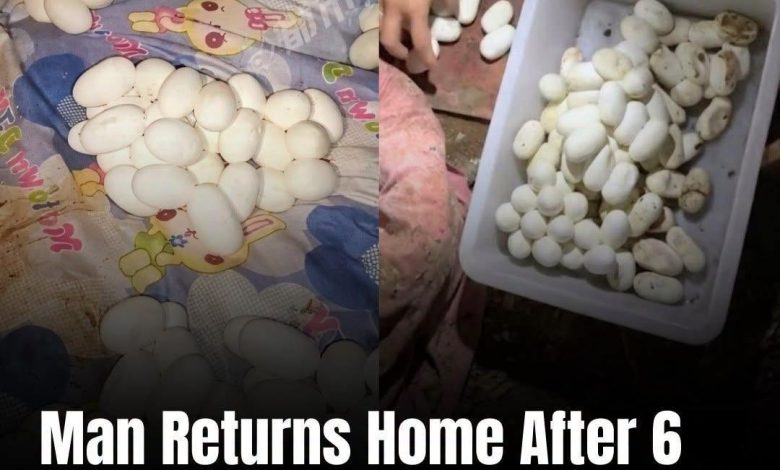
Man Returns Home After Six Months, Shocked to Find More Than 100 Mysterious Eggs Covering His Bed
Imagine the scenario: you’ve been away from home for six months. Maybe you were traveling, helping family out of state, or deployed for work. You finally walk through your front door, exhausted, carrying your bags, and all you can think about is crashing in your own comfortable bed. You walk into the bedroom, pull back the covers, and freeze.
Scattered across your mattress are over 100 tiny, mysterious eggs.
It’s a shocking, stomach-dropping moment that has been making the rounds in viral news stories lately. If you’ve ever experienced a startling discovery like this in your own home, you know the immediate wave of panic that follows. But take a deep breath. As someone who believes in tackling household mysteries with a calm head and a little bit of old-fashioned elbow grease, I’m here to tell you that this is a solvable problem.
This startling discovery is actually more common than you might think, especially in homes that have been sitting empty. Grab your favorite cup of tea, and let’s play detective, figure out exactly what those mysterious eggs are, and get your peaceful sleep back.
The Mystery Revealed: What Are These Eggs?
Before we start cleaning, we need to know what we’re dealing with. When a house sits empty for months, the environment changes, and certain pests can take advantage of the quiet. Here are the most common culprits behind mysterious bed eggs:
- Bed Bugs: These are the most feared. Their eggs are tiny (about 1mm), oval-shaped, and pearly white. If you see dark, rust-colored spots on the mattress seams, this is likely your culprit. Bed bugs can actually go dormant for months without a “meal” (blood), waiting for you to return!
- Carpet Beetles: These pests love natural fibers. Their eggs are small, sandy-colored, and often found near baseboards, but they can wander onto beds made of wool or cotton.
- The “Fake Out” (Non-Biological): Sometimes, what looks like eggs isn’t biological at all! It could be dried paint splatters from a previous tenant, spilled beads from a broken craft project, or even degraded pellets from the internal stuffing of an old mattress breaking through the fabric.
“Ingredients” and Tools You’ll Need for the Rescue
To reclaim your bed, you don’t need harsh, expensive chemical foggers. We are going to use a natural, heat-based approach that is incredibly effective and safe for your home.
The Cleaning Arsenal:
-
- A bright flashlight & a magnifying glass: For a thorough, close-up inspection.
- A vacuum with a HEPA filter: Essential for trapping tiny pests and eggs without blowing them back into the air. Substitute: If you don’t have a HEPA filter, use a vacuum with a sealed bag and throw the bag away immediately outside.
- A handheld garment steamer: The ultimate natural pest killer. Substitute: An iron with a strong steam function can work in a pinch for small areas.
- A zip-top mattress encasement: To seal and protect your mattress after cleaning.
- Hot water and a dryer: For treating all bedding and nearby fabrics.
Step-by-Step Instructions to Reclaim Your Bed
Let’s get to work! I promise that taking this methodical, step-by-step approach will turn a scary situation into a manageable chore.
1. Don’t Panic and Don’t Move!
The very first rule is to stay in the room. If you start moving furniture or carrying bedding to the living room, you risk spreading the pests to the rest of the house. Keep everything contained in the bedroom until it is fully treated.
2. The Great Inspection
Strip the bed completely. Use your flashlight to examine the seams, piping, and tufts of the mattress, as well as the box spring and the bed frame. Use your magnifying glass to look closely at the “eggs.” Are they sticky? Do they have a dark spot inside (which means they are developing)? Take a clear photo and show it to a local pest control expert if you aren’t sure what you’re looking at.
3. The Heat Treatment (Wash and Dry)
Gather all the bedding, pillows, and any nearby curtains. Place them directly into the dryer on the highest heat setting for at least 45 minutes. The high heat is what actually kills the eggs and pests, not the washing machine! Afterward, wash them in hot water and dry them again.
4. The Steam Attack
While the bedding is in the dryer, take your garment steamer to the mattress and box spring. Slowly pass the steam nozzle over every inch of the fabric, paying special attention to the seams and corners. Science tip: The steam reaches temperatures well over 150°F, which instantly destroys the proteins in the eggs and kills any hidden pests on contact, without using a single drop of chemicals.
5. Vacuum and Seal
Once the mattress is completely dry from the steam, vacuum it thoroughly using the crevice tool. Empty the vacuum canister or bag directly into an outside trash bin. Finally, zip your mattress and box spring into their protective encasements. This traps any survivors inside (where they will eventually starve) and prevents any new pests from getting in.
Pro Tips, Variations & Prevention Ideas
Quick Tips for Success
- Use Interceptors: Place special bed bug interceptors under the legs of your bed frame. These little cups trap pests trying to climb up or down, giving you peace of mind.
- Declutter: Pests love hiding in clutter. Keep the area under your bed completely clear of boxes, shoes, and stored items.
Fun Variations (For Extra Protection)
- The Diatomaceous Earth Barrier: If you want an extra natural layer of defense, lightly dust food-grade Diatomaceous Earth around the baseboards of the room. It’s a natural powder that safely dehydrates pests. (Just be sure to wear a mask while applying it so you don’t inhale the fine dust!)
- Essential Oil Deterrent: While it won’t kill an infestation, spraying a mixture of water and tea tree or lavender essential oil around the bed legs can help deter pests due to the strong scent.
How to “Serve” Your Freshly Cleaned Room
Once the bed is encased and the room is vacuumed, it’s time to enjoy your sanctuary again! Open the windows to let the fresh breeze blow through and clear out any stale air. Wash your walls with a simple vinegar-water solution, light a lavender candle, and put on your favorite fresh, crisp sheets. Pour yourself a glass of wine or a warm cup of chamomile tea, and enjoy the deep, restful sleep you’ve worked so hard to earn!
Frequently Asked Questions
Q: Can pests really survive in an empty house for six months? A: Yes! Adult bed bugs are incredibly resilient and can enter a dormant state, surviving for several months (sometimes up to a year) without a blood meal. When you returned and introduced carbon dioxide and body heat back into the room, it signaled them to wake up and lay eggs.
Q: Do I need to throw away my mattress? A: Almost never! Throwing away a mattress is expensive and doesn’t solve the problem, as the pests might just move to the new one. By thoroughly steaming, vacuuming, and encasing the mattress, you save it and render it completely safe.
Q: Are these eggs dangerous to my health? A: The eggs themselves don’t carry diseases. However, if they are bed bugs, the adults can cause itchy, uncomfortable bites. If they are carpet beetles, the real issue is their tiny, hairy larvae, which can cause allergic skin reactions or respiratory irritation in some people.
Q: When should I call a professional? A: If you do this deep-clean and still see signs of pests a few weeks later, or if you find large, dark clusters of bugs in the seams of your furniture, it’s time to call a licensed exterminator. There is no shame in calling in the reinforcements!
Let’s Reclaim Your Peace of Mind!
I truly hope this guide helps you navigate what can be a very unsettling household mystery. Finding something unexpected in your own home—whether it’s a mysterious stain on the bathroom floor or a surprise in your bedroom—can feel overwhelming, especially when you live alone. But by staying calm, relying on the simple science of heat, and taking it one step at a time, you can handle anything.
If you’ve ever dealt with a mysterious household discovery, I would absolutely love to hear your story! How did you solve the mystery? Drop a comment below to share your experience, and please share this article with a friend who might be traveling or leaving their home empty for a while. Stay curious, keep your home cozy, and I’ll see you in the next one!