5 Simple Natural Home Remedies to Help Prevent Cavities and Support Healthy Teeth
Important Safety Note (Please Read First)
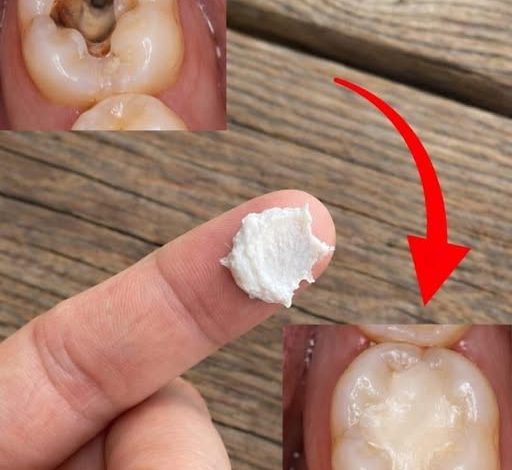
Cavities cannot be cured or filled at home. Images or videos showing a “paste” repairing a hole in a tooth are misleading and unsafe—especially for kids and teens. Only a dentist can remove decay, disinfect the tooth, and place a real filling or provide the correct treatment.
The tips below are preventive and supportive only. They do not fix cavities.
A Gentle, Honest Introduction
Healthy teeth matter at every age, and for kids and teens, habits formed now can protect smiles for life. When tooth pain or dark spots appear, it’s natural to look for quick, “natural” solutions—especially ones that seem easy and affordable.
Unfortunately, some online advice suggests homemade pastes can “heal” cavities. That’s not true and can make problems worse by trapping bacteria and increasing infection risk. Teeth don’t heal like skin; once decay starts, professional care is needed.
The good news? There are safe, natural ways to support oral health and help prevent cavities while you’re waiting to see a dentist or working to keep teeth strong long-term. Let’s focus on what truly helps—without false promises.
5 Simple, Safe Ways to Help Prevent Cavities Naturally
1) Brush Gently with Fluoride Toothpaste (Twice Daily)
Fluoride strengthens enamel and helps stop early decay from getting worse. Use a soft-bristled brush and gentle circles—scrubbing hard can damage gums.
2) Rinse with Warm Salt Water
A simple saltwater rinse can reduce bacteria and soothe irritated gums. Mix ½ teaspoon of salt in a cup of warm water and swish for 20–30 seconds. Spit—don’t swallow.
3) Limit Sugar and Sticky Snacks
Sugary drinks, candies, and sticky foods feed cavity-causing bacteria. Choose water, milk, fruits, veggies, nuts, and cheese to support a healthier mouth environment.
4) Drink Plenty of Water
Water helps wash away food particles and acids. If your water is fluoridated, that’s an extra bonus for enamel strength.
5) Keep Food from Getting Stuck—Safely
If food lodges in a tooth, rinse gently with water. Do not plug holes with cotton, wax, or homemade mixtures—this can trap bacteria and worsen decay.
What These Tips Do Not Do
- They do not fill cavities
- They do not remove decay
- They do not replace dental care
If pain increases, swelling appears, or a tooth looks dark or broken, tell a parent or guardian and see a dentist promptly.
Why You’ll Love This Approach
- Honest, science-based guidance—no myths
- Safe for kids and teens
- Easy habits that fit daily routines
- Focuses on prevention and comfort, not risky shortcuts
Helpful Tips for Parents & Teens
- Supervise brushing for younger kids
- Replace toothbrushes every 3 months
- Use floss once daily if teeth touch
- Schedule regular dental checkups—even without pain
Variations (Still Safe!)
- Sensitive teeth? Use a fluoride toothpaste for sensitivity
- Orthodontic care? Add interdental brushes or a water flosser
- Dry mouth? Sugar-free gum with xylitol can help increase saliva (avoid swallowing)
FAQs
1) Can natural remedies cure a cavity?
No. Cavities require dental treatment.
2) Is clove oil safe for cavities?
It may numb pain briefly but does not treat decay and shouldn’t be used on kids without guidance.
3) Can oil pulling fix teeth?
No evidence shows it cures cavities. It may support general hygiene at best.
4) What if there’s a visible hole?
Do not fill it at home. Rinse gently and see a dentist.
5) Are whitening pastes safe for teens?
Many are abrasive. Stick to fluoride toothpaste unless a dentist advises otherwise.
6) How fast can cavities get worse?
They can progress over weeks or months—don’t delay care.
7) Does mouthwash replace brushing?
No. It’s a supplement, not a substitute.
8) Can diet alone prevent cavities?
Diet helps, but brushing with fluoride and dental visits are essential.
9) What signs need urgent care?
Severe pain, swelling, fever, or pus—seek care immediately.
10) How often should kids see a dentist?
Typically every 6 months, or as recommended.
Final Takeaway
Natural habits can support healthy teeth and help prevent cavities, but they can’t repair existing decay. Be cautious of misleading images and “DIY fixes.” When in doubt, choose safety, involve a parent or guardian, and get professional dental care.