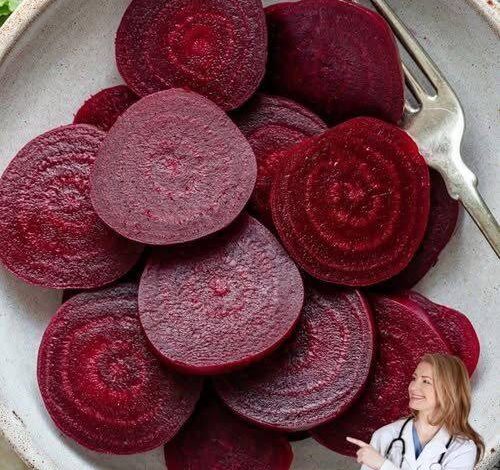
“Beet Benefits: What Doctors Say Happens When You Eat Them”
You’ve probably heard the buzz: “Beets are a superfood!” While that label gets tossed around a lot, beets really do deserve the hype. Packed with antioxidants, nitrates, fiber, and folate, they offer real benefits for your heart, brain, and even exercise performance.
The Beet Upgrade: What Really Happens When You Eat Beets
Let’s cut through the marketing and look at what science actually says about beets—and what’s just hype.
7 Evidence-Based Benefits of Beets
1. Can Help Lower Blood Pressure
- How: Beets are high in nitrates, which your body converts into nitric oxide to relax blood vessels.
- Evidence: A 2013 study found that 250 ml (8 oz) of beet juice lowered systolic blood pressure by 4–10 mmHg within 3–6 hours.
- ✅ Best for: People with high or slightly elevated blood pressure (as a complement to, not a replacement for, medication).
2. May Boost Athletic Performance
- How: Nitric oxide improves muscle oxygen efficiency.
- Evidence: Cyclists who drank beet juice before a time trial rode 2.8% faster and used less oxygen. Similar results are seen in runners, swimmers, and older adults.
- ✅ Tip: Consume beets 2–3 hours before exercise for best results.
3. Supports Brain Health
- How: Nitric oxide increases blood flow to the frontal lobe, improving memory and decision-making.
- Evidence: Older adults drinking beet juice showed brain activity patterns closer to younger adults during cognitive tests.
4. Reduces Inflammation & Oxidative Stress
- How: Betalains, the pigments that give beets their red color, act as antioxidants.
- Evidence: Betalains may lower chronic inflammation markers linked to arthritis, heart disease, and some cancers.
- ✅ Tip: Raw, roasted, or juiced beets retain the most betalains—overcooking can reduce them.
5. Improves Digestion & Gut Health
- How: One cup of beets contains 3.4 g of fiber, which feeds beneficial gut bacteria.
- Evidence: A healthy microbiome supports immunity, metabolism, and even mood.
- ✅ Bonus: Fiber also helps regulate blood sugar and promotes fullness.
6. Supports Natural Detoxification
- How: Betalains help liver enzymes process and remove toxins.
- Evidence: Animal studies show improved liver function; human research is still limited.
- ✅ Reality check: Beets support your body naturally—no fancy “cleanse” needed.
7. Provides Key Nutrients
- Folate (B9): 37% of daily value
- Manganese: 22%
- Potassium: 11%
- Iron: 6%
What Beets Can’t Do
| Claim | Reality |
|---|---|
| “Cure cancer” | Lab studies suggest anti-cancer activity, but no human evidence of a cure. |
| “Melt fat” | Beets are low-calorie, but juice lacks fiber and may spike blood sugar. Whole beets are better. |
| “Flush kidneys” | Beets support kidney health via antioxidants, but don’t literally flush toxins. |
| “Guarantee glowing skin” | Skin health depends on overall nutrition, hydration, and sleep—not one food. |
Things to Keep in Mind
- Beeturia: Up to 14% of people see pink/red urine or stool. Harmless.
- Kidney stones: Beets are high in oxalates; eat in moderation if prone to stones.
- Low blood pressure: Consult your doctor before daily beet juice if hypotensive.
- Medication interactions: Beets may enhance blood pressure meds or PDE5 inhibitors.
How to Eat Beets for Maximum Benefit
- Raw: Grate into salads or blend into smoothies (preserves nitrates).
- Roasted: Toss with olive oil, salt, and herbs at 400°F for 35–45 minutes.
- Juiced: Mix with apple, ginger, and lemon for flavor.
- Pickled: Adds probiotics (watch sodium).
- Soups: Classic borscht is nutrient-rich.
Pro tip: Pair with vitamin C (lemon, peppers) to boost nitrate absorption.
Final Thought: A Simple Root with Big Impact
Beets aren’t magic, but they’re a powerful, natural health booster. No expensive powders or daily shots needed—just roast them, blend them, or snack on beet chips.
Your heart, brain, and muscles will quietly and consistently thank you. Real wellness isn’t about chasing superfoods—it’s about eating real, nutrient-rich food well.